final round 2 device 7

Biondo Racing Final Round II” — Reflex Science for the Street Racer Generation

Back in the late ’90s and early 2000s, serious drag racers didn’t rely on instinct alone — they trained it.
Enter the Biondo Racing Final Round II, a brushed-aluminum timing box that turned any garage into a miniature drag strip.

It wasn’t flashy. It wasn’t cheap. But for racers chasing perfection, it was essential.
Even if you’ve never launched off a real Christmas Tree, you can appreciate the idea: reacting the instant the world changes color.

That’s what this little machine taught — precision, patience, and a bit of humility when you realized your reflexes weren’t quite as sharp as you thought.

A Quick Lap Through History

Built by Biondo Racing Products of New Jersey, the Final Round line began in the mid-’90s and became a staple of bracket-racing culture.
It simulated the same Christmas Tree lights used at drag strips so racers could practice reaction times at home — no fuel, no burnout box, just electronics and nerve.

The Final Round II (Roman numeral, not number) hit that sweet spot between analog tactility and digital precision.
It was the model you’d find on a folding table beside a shop fan, clicker cables tangled across the floor, two racers trash-talking over who’d “cut the light” cleaner.

Even if you weren’t a racer, you understood why it mattered.
You could be a wizard behind the wheel, but if you were late on that green — you lost. Plain and simple.

final round 2 device 14
final round 2 device 13
final round 2 device 5

How to Use the Final Round II

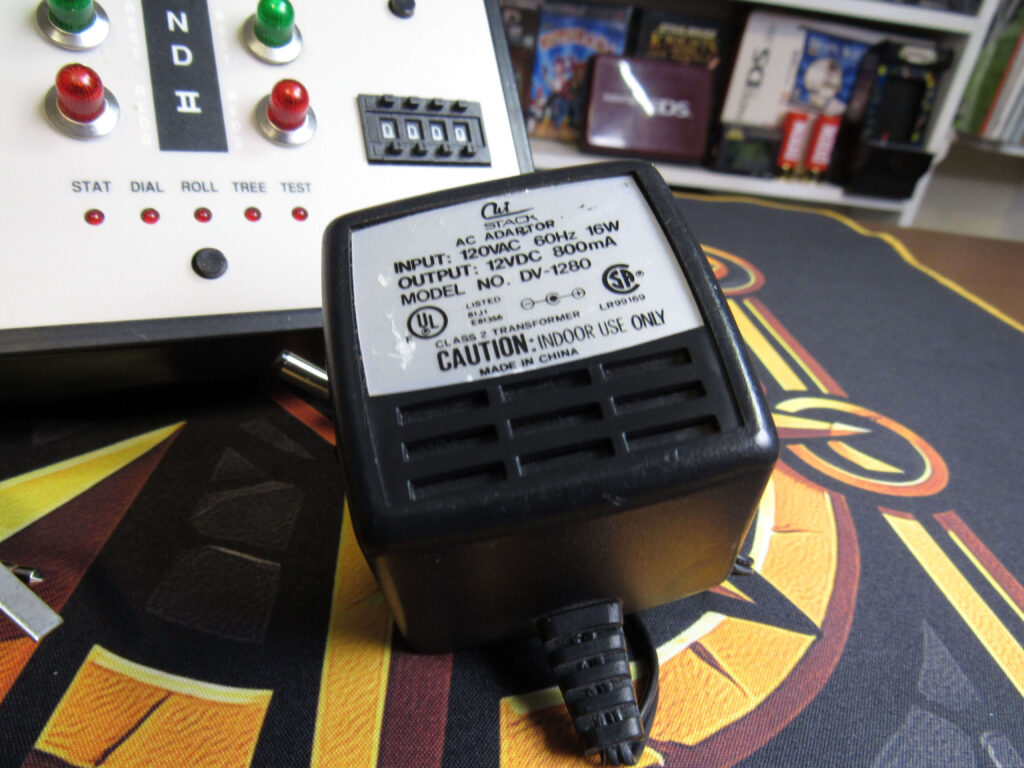
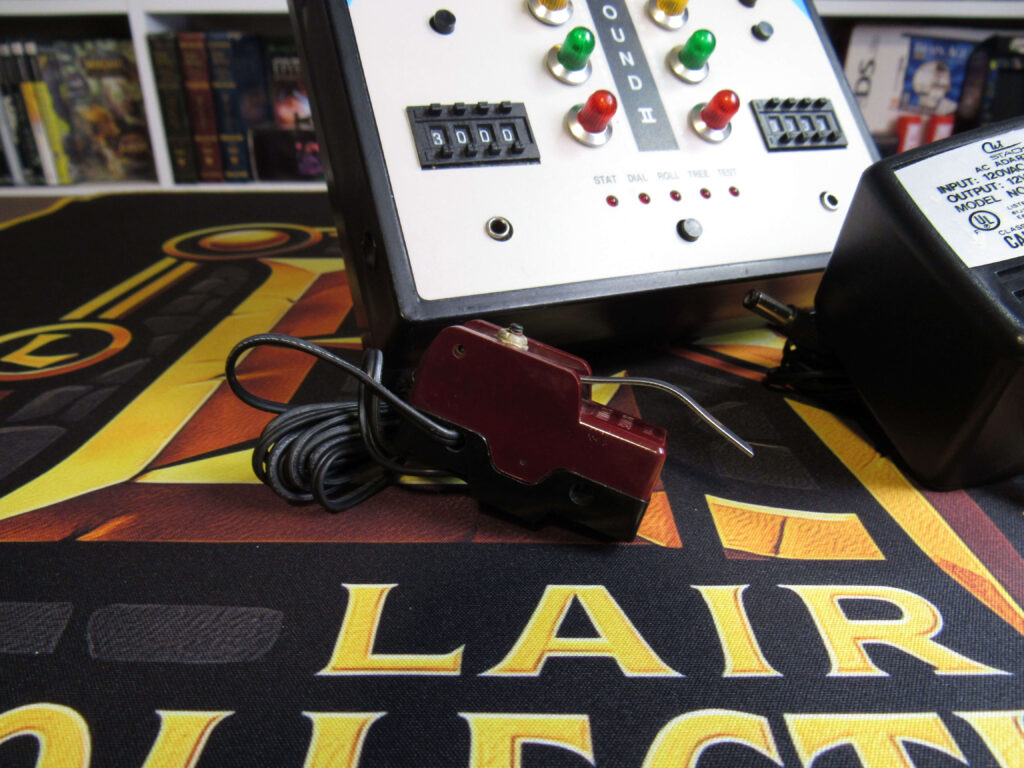
Plug in the 12-volt adapter, connect the hand clicker (or two if you’re feeling competitive), and power it up.
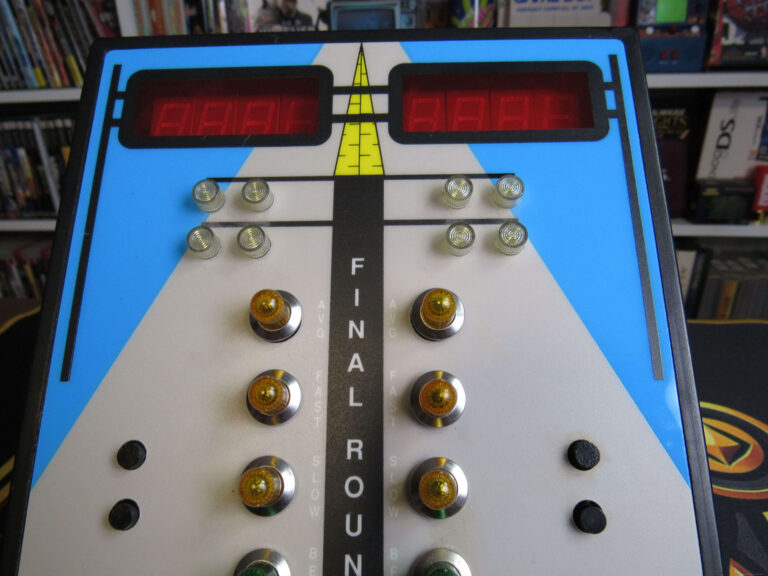
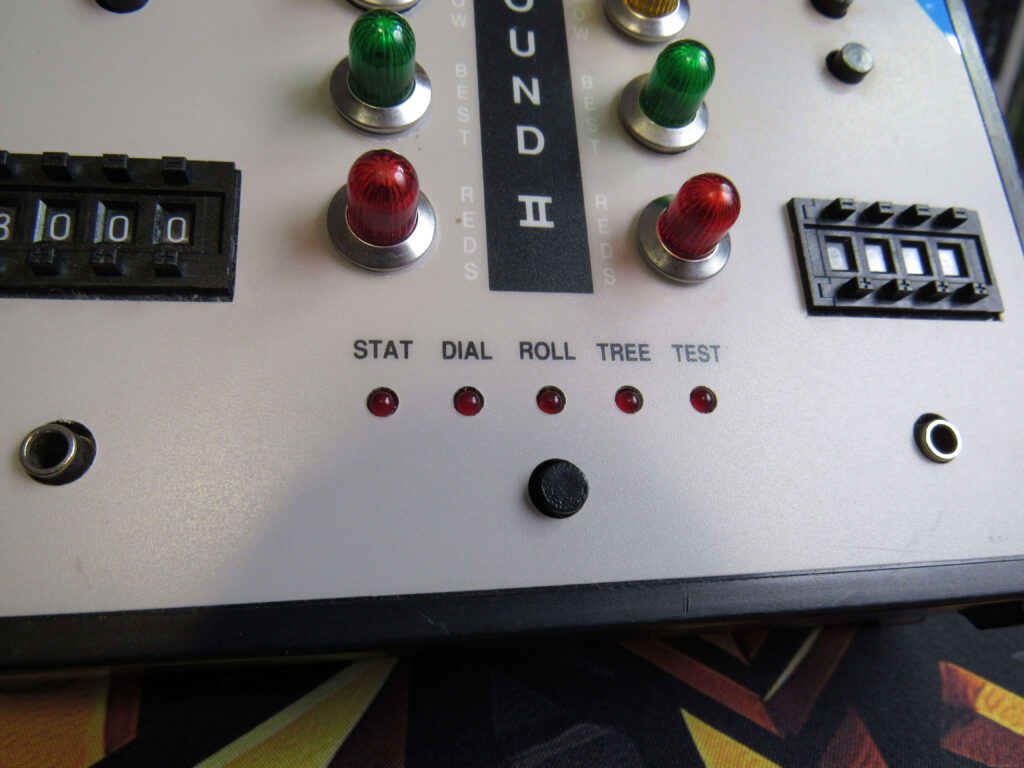
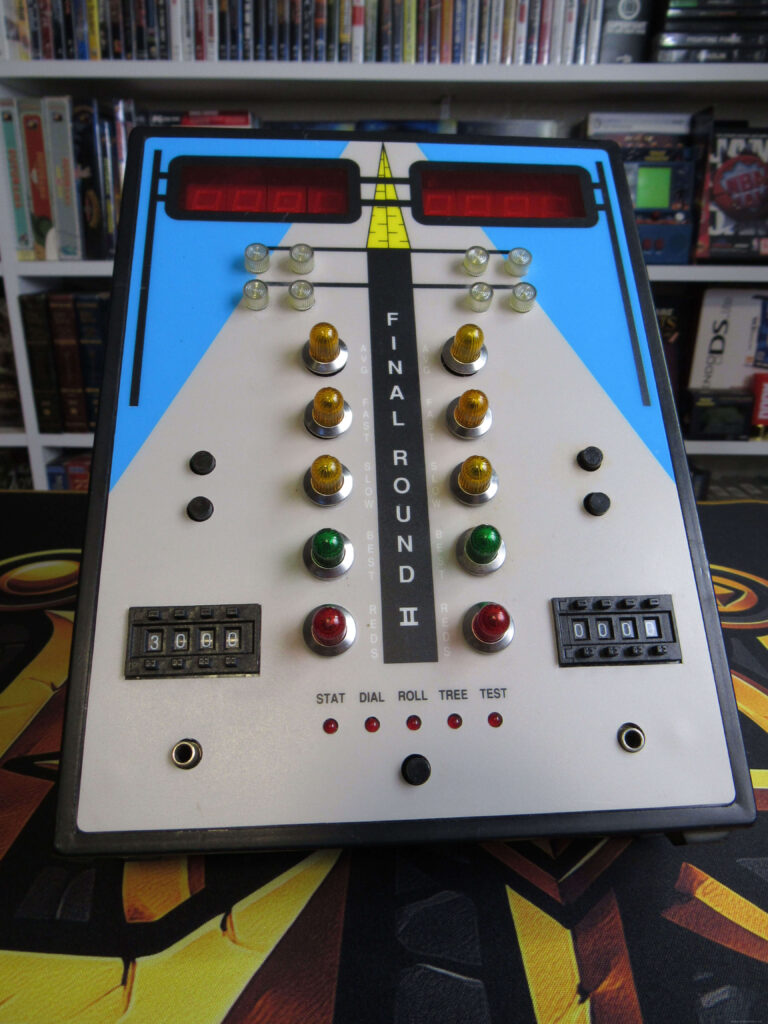
The faceplate lights like a small spaceship: two vertical stacks of LEDs running down the center — three ambers, one green, one red per lane — flanked by twin digital readouts at the top.
Those displays show your reaction time the instant you fire.

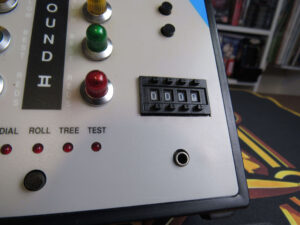
Press TEST to verify the lamps and digits — a quick diagnostic blink that still feels satisfying.
Choose TREE to select between Sportsman (three ambers in sequence) or Pro Tree (all ambers at once).
Then stage your thumb.

The ambers tick down …
Green hits …
You click — too soon, and the red light flares: foul start.
Nail it perfectly and the top LEDs flash your score — something like 0.417 sec.

Each run logs your stats: STAT shows best, worst, and average.
ROLL adjusts rollout timing to mimic your car’s staging distance.
DIAL lets you simulate dial-ins for bracket practice.
Every button clicks with that old-school tactility modern gear lost.

Tip:

“If you’re pulling consistent 0.150 sec reactions, you’re already faster than most street drivers.
Under 0.100, and you’re in pro-racer territory.”

Dual-Clicker Mode 

The two input jacks at the bottom mean head-to-head battles.
Plug in both clickers, stage two lanes, and race for pride.
Each lane’s result flashes in its own display — bragging rights decided in thousandths of a second.

“No cars. No gas. Just two thumbs and reflexes.
Lose by 0.012 seconds and you’d swear you felt the sting.”

Racers would run 10–20 launches a night, logging times by hand, studying consistency over luck.
The best didn’t just react — they anticipated the green, learning rhythm down to muscle memory.

The Hidden Serial Port

Look at the back and you’ll spot it — a small DB9 serial port, the feature almost nobody talks about.

For most owners, it was just another connector. But for the diehards, that port turned the Final Round II into a full-scale training system.final round 2 device 11
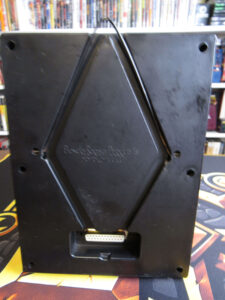
Through a standard RS-232 cable, racers could feed reaction data directly to a computer or timing console.
Software would record and graph every run — averages, consistency, rollout, even false-start tendencies.
It was early telemetry before “data logging” became a buzzword.

Some racers went further: linking multiple Final Round II units together or tying them into practice Christmas Tree simulators for synchronized two-lane runs.
The setup got intricate — a tangle of cables, power bricks, and ambition.

It wasn’t plug-and-play. It was for people who measured milliseconds and called it fun.

Lair Note: If you ever find one with the original serial cable or Biondo’s software disk, grab it. Those accessories were sold in tiny numbers — they’re practically myth now.
Why It Cost So Much

At around $250–$300 USD new (roughly $500 today), the Final Round II wasn’t a casual buy. It earned that price tag through craftsmanship and accuracy.

  • Professional-grade quartz timers accurate to 0.001 sec
  • Low-volume, in-house production from New Jersey
  • Aluminum housing and heavy switches built for pits and trailers
  • Long-term serviceability — this thing was meant to last

Keeper’s Tip: In 1999, dropping $300 on a timing box meant you were chasing trophies, not showing off.

Where to Buy

Grab it now on eBay — search Biondo Final Round II Reaction Time Trainer.
Occasionally shows up on Facebook Marketplace or through Biondo Racing Products’ archives.

Typical listings:

  • $175 (used, functional) – light wear
  • $250 (complete kit) – verified operation
  • $300–$400 (boxed) – rarely seen, highly displayable
final round 2 device 4

Variants & Collectibility

Model: Final Round I
Era: Mid-’90s
Features: First gen, basic LED tree, no stats
Typical Price (Used): $200–$350
Rarity: Scarce – most scrapped

Model: Final Round II
Era: Late ’90s–Early ’00s
Features: Aluminum faceplate, dual clickers, DB9 serial port, five-button control
Typical Price (Used): $150–$300
Rarity: Collector Sweet Spot

Model: Final Round 3
Era: Mid-2000s
Features: USB link, modern circuit
Typical Price (Used): $100–$200
Rarity: Common – still in service

Your Final Round II sits at the perfect intersection — tactile nostalgia and real-world precision.
Collectors love that brushed-metal face and red LED glow. It looks like it belongs on a shelf beside a Holley carb and a stack of Drag News magazines.

Collector’s Tips & Variants

Launch Price: ~$275 USD
Current (2025):

  • Complete and working: $175–$300
  • Missing clicker: $100–$150
  • Boxed/NOS: $350+

Collector’s Item Alert:
The Final Round II is the true collector’s model — the bridge between analog feel and digital evolution.

Storage & Display Advice:

  • Avoid direct sunlight — it fades LEDs
  • Keep the aluminum wiped with microfiber only
  • Coil the clicker cords neatly; replacements are rare
  • Display it with other garage electronics for that authentic race-prep lab aesthetic.final round 2 device 9
final round 2 device 8

Keeper’s Final Note

Some tech earns its place in the Vault because it worked flawlessly.
The Biondo Racing Final Round II earns it because it taught people to be faster — not just on the strip, but in discipline.

You can feel its purpose the moment you flip it on: the LEDs hum, the clicker snaps, and suddenly you’re chasing milliseconds again.

cave entrance Lair collectibles

Written by The Curator

Vault Keeper of The Lair Collectibles — preserving the stories, history, and treasures of The Lair one piece at a time.